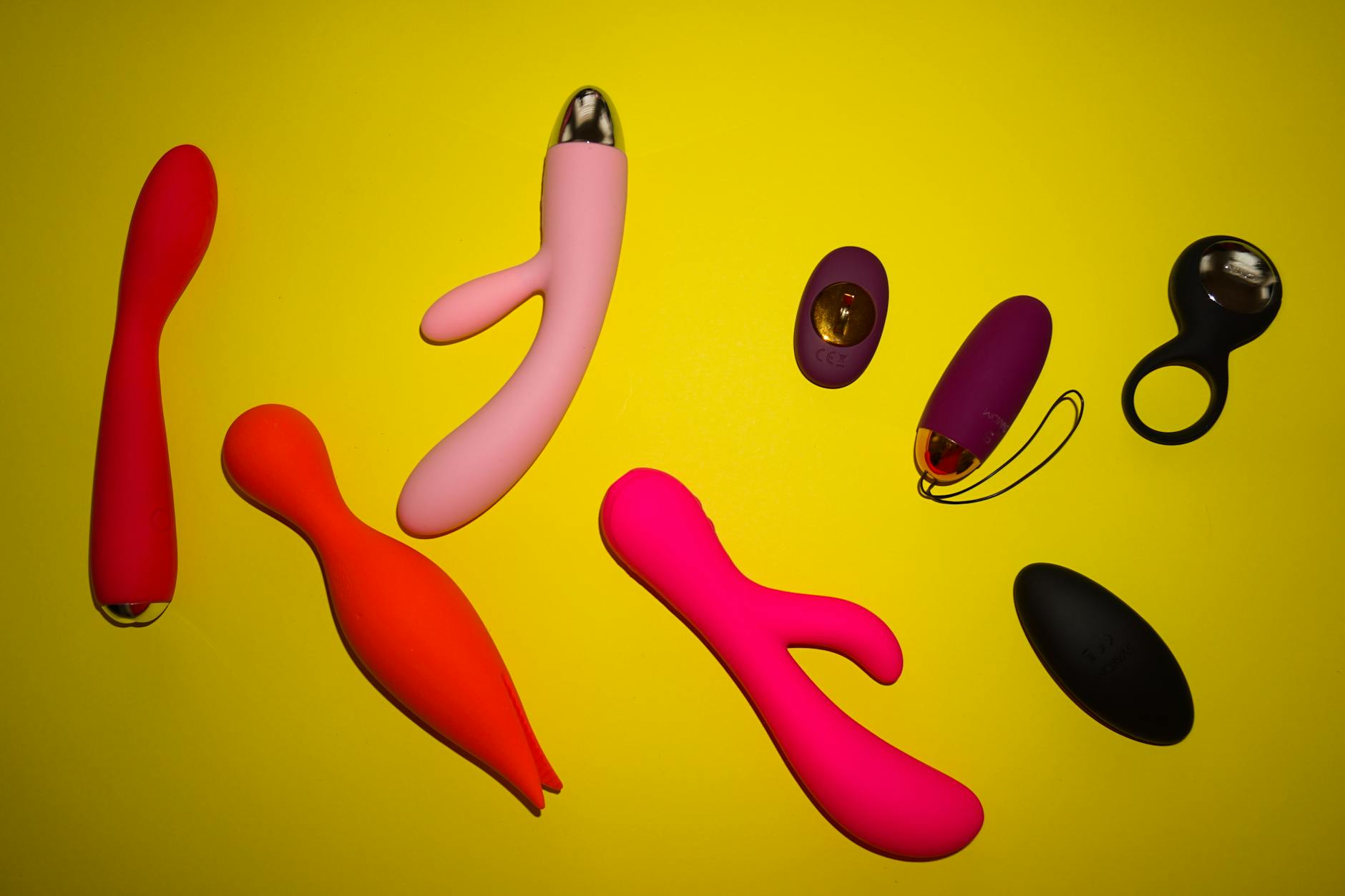
Your partner touches you. They're attentive, they're trying. But when it comes to the actual finish line, your body doesn't get there. Maybe you get close. Maybe you plateau halfway. Maybe you've stopped waiting and just faked it to move things along. Here's the hard part: this isn't a reflection on them or on how much you love them. It's physiology.
Clitoral stimulation during partnered penetrative sex is biomechanically inconsistent for most people with vulvas. The angle, pressure, and rhythm needed for orgasm rarely align with what penetration naturally provides. And somehow we've all inherited this cultural fiction that if your partner is "doing it right," this problem shouldn't exist. Spoiler: it's not a problem. It's just how bodies work.
A lemon clitoral vibrator isn't a band-aid. It's the actual tool that bridges this gap. But I know saying that feels risky. So let's talk about how to introduce it, position it, and use it so both of you actually enjoy the experience.
Here's what penetration alone can't do: maintain consistent, targeted stimulation at exactly the right pressure and rhythm for you, every single time. A lemon sucker vibrator does this instantly. It's consistent. You control the intensity. You know what you're getting.
More importantly, you're not performing mental gymnastics to get there. You're not thinking, "Will this happen today?" or "Am I taking too long?" Those thoughts kill arousal faster than anything else. A vibrator removes the performance pressure entirely.
For your partner, this is also a relief. It means they're not responsible for your orgasm. You both get to enjoy the experience without an invisible countdown timer running in the background.
Most people try to introduce a vibrator mid-sex or they drop hints until their partner feels defensive. Both backfire. Here's what actually works: a calm, separate conversation that frames this as a shared goal, not a criticism.
The script I use with clients goes like this:
"I really enjoy sex with you. I also know that I usually need direct clitoral stimulation to orgasm, and that's hard to get during penetration. I'd like to try using a vibrator during sex so I can actually finish. This isn't about you. It's about what my body needs. Are you open to trying it?"
Notice what this does: it removes blame, it explains the biology, it asks for consent. Your partner doesn't have to wonder if they're failing. They understand it's a logistics issue, not a desire issue.
If they're hesitant, that's worth exploring separately. Sometimes the resistance isn't about the vibrator. It's about feeling replaced, or about anxiety around "doing things the traditional way." Those are real feelings and they deserve their own conversation. But ninety percent of the time, once someone understands the actual biomechanics, the resistance melts.
The lemon vibrator's curved design means you can use it during penetration without it being awkward or getting in the way. Here's how:
If you're on top, this is the easiest angle. You control the depth and rhythm of penetration while using the vibrator yourself. You have full access, full control, and your partner gets to lie back and enjoy. This is genuinely the path of least resistance and most pleasure for most couples.
If your partner is on top, angle the vibrator so it sits against your clitoris with the curve of the device resting on your body. The vibration creates the stimulation while penetration happens beneath it. This takes practice but once you find the angle, it works beautifully.
Side-by-side penetration (both facing the same direction) is another option that gives you easy access to use the vibrator while staying close to your partner.
The key is finding positions where you're not contorting to reach the device. If you're straining or uncomfortable, nobody's having fun. Test a few. Your body will tell you which one works.
Before you get started, charge the lemon vibrator fully. You don't want it dying halfway through. Keep it close to the bed so there's no awkward pause hunting for it.
Use water-based lubricant on the device and on your body. Even if you're naturally lubricated, the vibrator moving across your skin benefits from slip. It feels better and reduces friction irritation.
Start the vibration before penetration begins or early in the session. Don't introduce it as a last resort when things aren't working. Use it from the beginning as part of the experience, not as a backup plan.
Talk during the experience. "Deeper," "slower," "more pressure on the side," whatever it is. Your partner can't read your mind. Specific feedback turns this from awkward to connected really quickly.
The first time usually feels strange for both of you. The vibrator adds a new sensation, new logistics, new awareness. You might feel self-conscious. Your partner might feel like they're watching instead of participating. This is completely normal and it goes away after one or two times.
What doesn't go away: the actual pleasure. Once you move through that initial adjustment, most people report that partnered sex becomes significantly more enjoyable. You're actually finishing. Your partner gets to feel you orgasm. You're both relaxed because there's no invisible pressure hanging over the experience.
Some couples find that once they've used a vibrator during sex a few times, they alternate. Some sessions with the vibrator, some without. The important part is that you now have options instead of resignation.
If you've had the conversation and your partner refused or became upset, that's a signal that something bigger is happening. Maybe there's insecurity underneath. Maybe there's a fundamental disagreement about what sex should be. Those conversations benefit from a therapist who specializes in couples work, ideally someone trained in sex-positive approaches.
Similarly, if you've been faking orgasms for years, introducing a vibrator is only part of the solution. The trust piece matters. Why did you feel like you couldn't ask for this? What made you think you needed to perform rather than communicate? Those are worth exploring.
Will using a vibrator make my partner feel inadequate? Not if you frame it correctly in conversation. The vibrator isn't replacing them. It's completing the experience you both want.
Will this become a crutch? Not unless you treat it that way. A vibrator is a tool. Some days you'll use it, some days you won't. That's the whole point.
What if my partner wants to use it on me but doesn't know how? Show them. Hand them the lemon vibrator, tell them the pressure and pattern that works, guide their hand. This actually increases connection because you're literally teaching them how to pleasure you.
Absolutely. There's nothing wrong with that. If it works for you and your partner is on board, there's zero reason to limit it. Some couples use it occasionally, some use it almost every time. Neither is wrong.
Not if you position it correctly. The curved design of the lemon vibrator specifically allows you to use it while your partner is inside you. It's designed for this. Test different positions to find what works for your bodies.
Don't present it as a fix for a problem. Present it as something you want to try together. "I read about this and I think it could be fun," or "I've always wanted to try this," shifts the framing from "something's wrong" to "let's explore."
Give feedback. "A little gentler," "more to the left," "hold it still right there." Most partners actually want this information. They're not mind readers, but they're also not your enemy. They want to please you. Specific guidance helps.
Not at all, but the timing of the conversation matters. This isn't a first-date conversation. Once you've had sex a time or two and things feel comfortable, mentioning it is totally reasonable. How to Use a Lemon Vibrator With a New Partner addresses the specific timing and framing.
Introducing a lemon clitoral vibrator into partnered sex isn't complicated once you remove the shame around it. It's a conversation, a tool, and a new way to experience pleasure together. Your body not orgasming from penetration alone isn't a failure. It's biology. Using a vibrator isn't a compromise. It's the solution that lets both of you actually enjoy sex instead of performing it.
If you're stuck on the communication piece or your partner remains resistant, reach out. Sometimes an outside perspective helps. But most of the time, once you have this conversation with honesty and information, everything shifts. You get to finish. Your partner gets to feel you finish. Everyone's happy.
That's not settling. That's just being smart about pleasure.