How to Use a Lemon Vibrator When Your Partner Has Erectile Dysfunction
ED isn't the end of partnered pleasure. Here's how clitoral stimulation tools like The Lem Vibrator help couples shift focus, ease pressure, and rebuild connection.
Ensus dysfunction arrives quietly. One time becomes a pattern, and suddenly the person who used to initiate is hesitating. Your partner feels broken. You feel rejected. Sex stops happening, and the silence around it grows louder than the thing itself.
Here's what I see in my practice: couples don't talk about this, which means they suffer alone. They assume penetration is off the table entirely. They stop touching each other. The shame gets louder than the solution.
Erectile dysfunction is real, common, and usually treatable. But before we talk about treatment, let's talk about pleasure. Because here's the thing: penetration is one flavour of sex, not the whole meal.
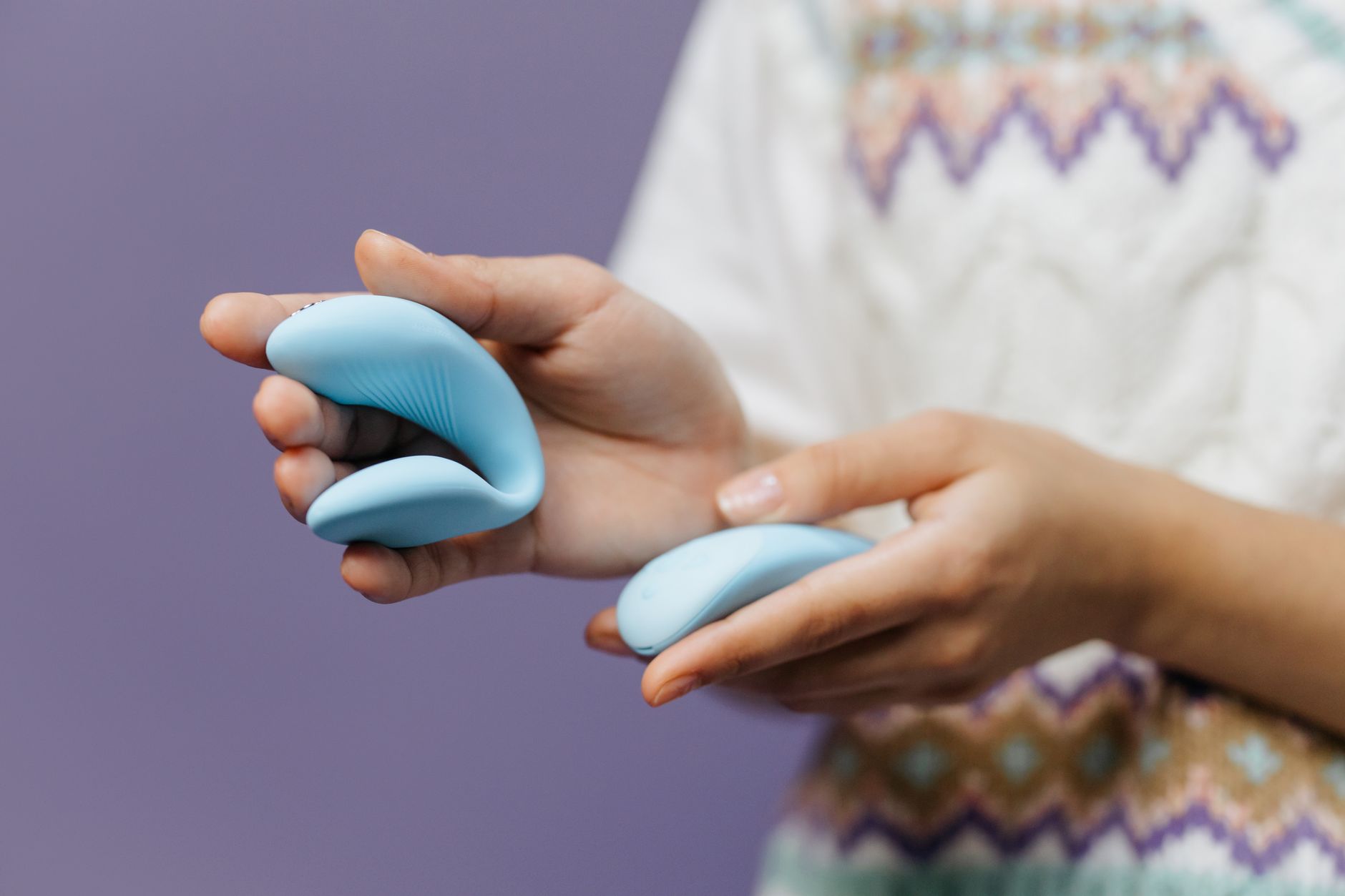
When you introduce a clitoral vibrator like The Lem Vibrator into partnered sex, you're not working around the ED. You're actually reframing what partnered sex can be. You're shifting from "can my partner get hard enough" to "what pleasure can we create together right now."
The Lem Vibrator uses air-suction technology, not vibration. This matters because it doesn't require your partner to be inside you to create intense pleasure. Your partner can be fully present, holding you, kissing you, engaged in the experience. They're not performing. They're participating.
Many couples tell me that introducing The Lem Vibrator actually took pressure off both of them. When erections aren't the gatekeeper to pleasure, something shifts. Your partner can relax. You can focus on sensation instead of managing their anxiety.
The Lem Vibrator also works on its own timeline. You can use it solo, together, before sex, after. There's no performance window. There's just pleasure available whenever you want it.
Before you bring a toy into the bedroom, you need to name the thing that's happening. This is not comfortable, and that's exactly why couples avoid it.
Here's the template I recommend:
"I've noticed sex has felt different. I want to check in with you about what's going on and how we can make this feel good for both of us."
Then listen. Your partner might be ashamed. They might be stressed about work, health, or something else entirely that's affecting their body. They might assume you're unhappy. These conversations sting, and they're also where reconnection starts.
Once you've named it, the introduction is easier. Something like: "I found this toy that might take some pressure off both of us and help us feel close again. Would you be interested in trying it together?"
Notice you're not saying "because you have ED." You're saying "to feel close." That's the frame shift that helps.
Phase one: solo exploration. Use The Lem Vibrator on your own first. Get familiar with it. Notice what patterns feel best, what intensity works, how long it takes you to reach orgasm. This removes the learning curve from partnered sex. You're not figuring it out in the moment with your partner watching.
Phase two: introduction with low stakes. Next time you're intimate, introduce it casually. You might use it while you're kissing. Your partner can hold you, touch you elsewhere, be fully present without any pressure to maintain an erection. Let him see how much pleasure it brings you. This isn't about him doing anything. It's about him witnessing your pleasure.
Phase three: integration. Once you're both comfortable, The Lem Vibrator becomes just another part of sex. Sometimes you use it. Sometimes you don't. Sometimes your partner uses it on you. Sometimes you use it while penetration is happening, if that's still possible. The point is it's not a band-aid anymore. It's just part of your sexual repertoire.
I've watched couples come back to intimacy because they stopped needing sex to look a certain way. When your partner knows you can reach orgasm with The Lem Vibrator, something shifts in him. The pressure lifts. He gets to focus on connection instead of performance.
You, meanwhile, get to stop managing his feelings and start experiencing your own pleasure. That's not selfish. That's actually the foundation of good partnered sex.
Here's the part that therapists don't usually talk about: ED often has a medical component. Sometimes it's stress. Sometimes it's medication side effects. Sometimes it's cardiovascular or hormonal. Your partner should see a doctor, not because there's something wrong with him, but because there might be something treatable.
I'm not saying "fix the ED and you'll have good sex." I'm saying "a good medical workup removes the guessing game." Your partner might be eligible for PDE5 inhibitors. He might benefit from testosterone assessment. He might need to change medications. He might find out it's just stress and anxiety, which is also treatable.
The Lem Vibrator and a doctor's appointment aren't in opposition. They're partners in rebuilding pleasure.
"Won't he feel replaced by the toy?" Only if you frame it that way. Toys aren't replacements. They're collaborators. Your partner is still there, still involved, still creating pleasure with you.
"What if he's offended that I want it?" Some partners are initially. That's where the conversation matters. You're not saying "I need this because you're broken." You're saying "I want to feel this together." Big difference.
"What if it makes things worse?" It won't. Pleasure doesn't make ED worse. In fact, reducing the pressure around sex often helps ED improve naturally. Your partner might find erections return as anxiety decreases.
"What if I feel weird using it with him watching?" That's normal. Start with him not watching. Use it solo, then in low-light situations, then during sex when the focus isn't on the toy. Comfort builds.
The Lem Vibrator is a tool. It's a really good one, but it's not the solution. The solution is rebuilding trust that sex can feel good for both of you. That your pleasure matters. That your partner's body doesn't define your connection.
Once that foundation is there, other things often fall into place. Your partner might feel confident enough to see a doctor. You might feel relaxed enough to be present during sex. You might both remember why you wanted to be close in the first place.
EDs changes things temporarily. It doesn't change you, your partner, or your capacity for pleasure. It just changes the shape that pleasure takes right now. The Lem Vibrator gives you a way to keep exploring pleasure together while ED is something you're figuring out. That matters. That's worth trying.
ED is rarely just physical. Once it happens once, the anxiety about it happening again creates a cycle. Your partner starts anticipating failure, which triggers anxiety, which makes erections less likely. Meanwhile, you might feel rejected or worried you're not attractive anymore. Neither of those things is true. The psychology of ED is manageable, especially when both partners understand what's happening and stop blaming themselves.
Not directly. But removing the pressure around penetration absolutely helps. When your partner isn't anxious about maintaining an erection, anxiety decreases. Lower anxiety often means better erectile function naturally. So while The Lem Vibrator doesn't "fix" ED, the shift in focus it creates can actually support recovery.
Completely normal. This is increasingly common as couples get smarter about pleasure. You're not doing something weird or wrong. You're doing something practical and connected.
That's a bigger relationship issue than the ED itself. Shame keeps people silent, and silence keeps couples disconnected. If your partner won't talk or try anything, couples therapy can help. A therapist trained in sexual health can create a space where both of you feel safe being honest.
It varies widely. Some couples are game in weeks. Others need months. The key is no pressure. You're rebuilding trust in pleasure, and that takes time. Don't rush it.
Absolutely. Many couples use clitoral vibrators during penetration when it's possible. The sensation is different and often more intense. You're not waiting for everything to be perfect. You're creating pleasure in whatever form works right now.