Let's start with what nobody tells you
Hormonal shifts don't end pleasure. They recalibrate it. And that distinction is the difference between feeling broken and feeling like you're finally getting the instruction manual you should have had all along.
When your body's hormone levels shift—whether from birth control changes, perimenopause, postpartum recovery, or thyroid adjustments—your clitoris doesn't lose its wiring. Your nerve endings don't disappear. What changes is how quickly arousal builds, how tissue responds to direct pressure, and what kind of stimulation actually lands.
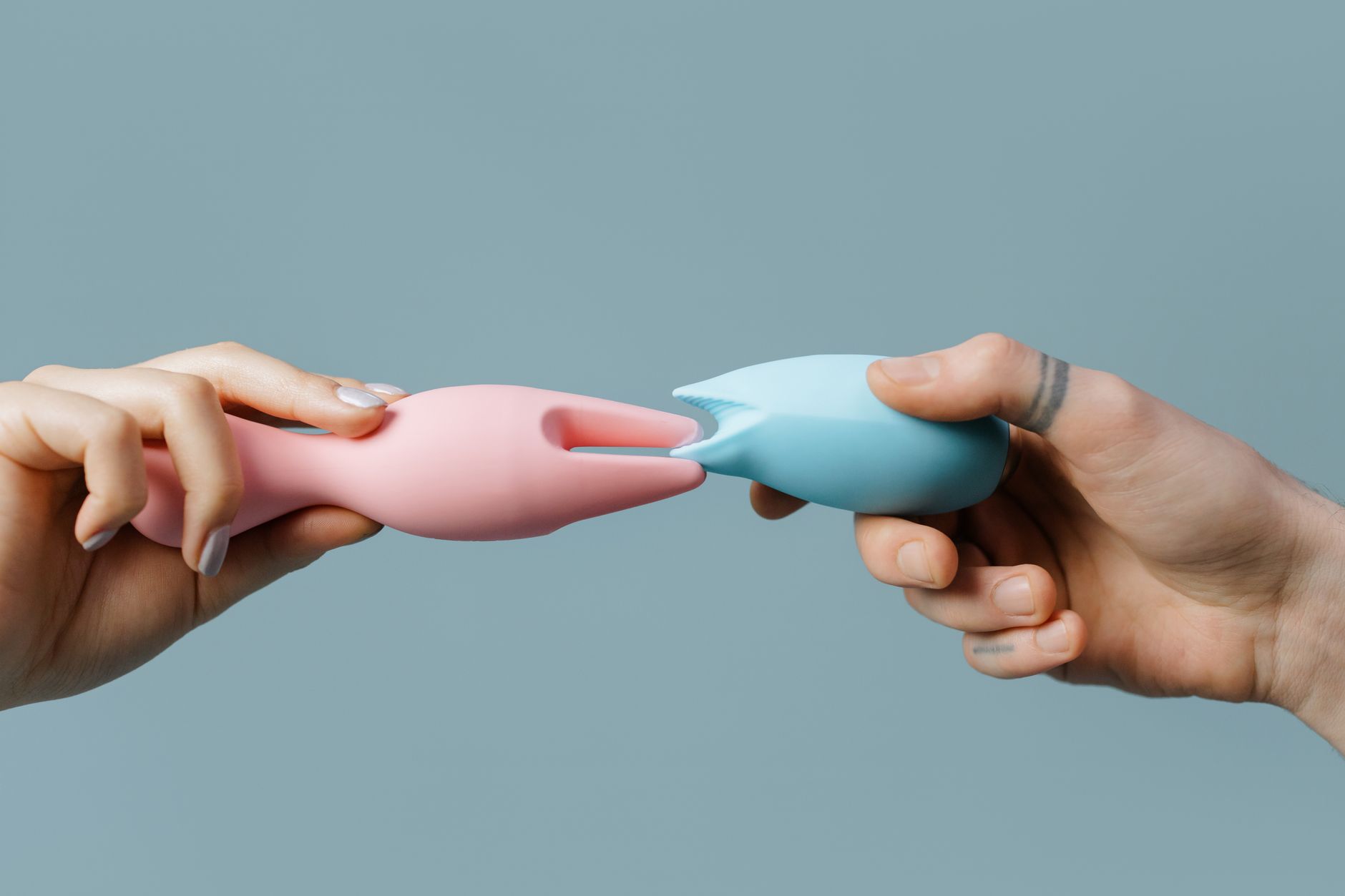
That's not a bug. It's context. And a lemon clitoral vibrator is one of the smartest tools for working with that context instead of against it.
How hormones actually change sensation
Three concrete things happen when estrogen fluctuates or testosterone dips:
Arousal takes longer to build. I'm talking 15-25 minutes instead of 5-10. This isn't laziness or loss of desire. It's a physiological shift in how your nervous system primes itself. Your parasympathetic nervous system needs more time to activate, which means the physical cascade of blood flow and tissue swelling happens at a different pace.
Tissue sensitivity shifts. Your vulva and clitoris have estrogen receptors. When estrogen drops, tissue can feel either hypersensitive (every touch feels like too much) or less responsive (you need more intensity to register sensation). For some people, it's both at different times. This is why that vibrator setting you loved for years might feel uncomfortable now.
Lubrication changes independently of arousal. You can be genuinely interested and engaged and still not produce as much natural lubrication. It's not about desire or dryness of your interest. It's moisture. They're separate systems and hormones affect them differently.
Here's what doesn't change: your clitoris still has 8,000+ nerve endings. Your brain still sends signals for pleasure. Your capacity for orgasm is still there. You're not broken. You're just working with different chemistry.
Why the lemon vibrator works for hormonal shifts
The Lem uses suction and pulse patterns instead of pure vibration. That matters when hormones have changed things.
With traditional vibrators, you're applying mechanical pressure directly to tissue. When tissue is thinner or more sensitive from hormone changes, direct pressure can feel overwhelming or even painful. Suction is gentler on delicate tissue but somehow more effective at stimulating the thousands of nerve endings clustered in your clitoris.
Think of it this way: vibration says "go hard." Suction says "let me draw sensation out of you." When your body needs more finesse, that difference is everything.
The pulse patterns on a lemon vibrator also matter. You can start at patterns 1-3 (slow, rhythmic suction) and build from there. That gives you control over intensity in a way that lets your nervous system catch up. You're not trying to force arousal. You're inviting it.
The practical setup: before you even start
Here's what I tell my clients when they're navigating hormonal shifts and relearning their own bodies.
Budget 20-30 minutes minimum. Not because you need to "work" at it, but because your nervous system needs runway. Foreplay (solo or partnered) should be genuinely enjoyable, not a box to check before the "real thing." Music, a comfortable position, actually being present rather than scrolling—this all primes your parasympathetic nervous system.
Have water-based lubricant within reach. Full stop. Even if you produce lubrication naturally, hormonal shifts sometimes mean it's less slick than you're used to. A water-based lube reduces friction on tissue and makes suction work even more effectively. It's not admitting defeat. It's being strategic.
Start with the lowest setting. On a lemon clitoral vibrator, that means pattern 1. Spend 2-3 minutes there before escalating. Let your clitoris wake up. Let blood flow happen gradually. You can always increase intensity. You can't un-overwhelm yourself once you've jumped to pattern 4.
Position matters more than it used to. When hormones shift, the angle at which you use your lemon vibrator affects how comfortable it feels. Lying on your back with knees bent, or side-lying—these positions take pressure off your pelvic floor and let your clitoris angle toward the device more naturally. Experiment. What felt good at 25 might need adjustment at 40.
Rekindling sensation: the comeback playbook
If you've felt numb or less responsive since your hormones shifted, this is where things get interesting.
First week strategy: slow mapping. Use your Lem on pattern 1 for 10-15 minutes, moving slowly around the external clitoris and labia. You're not trying to come. You're remapping where sensation actually lives now. Some areas will feel more alive than they did pre-shift. Pay attention to those. Your pleasure map has changed and you're redrawing it.
Second week: find your rhythm. Once you know where sensation lives, match the pulse pattern to that area. If the upper clitoris feels more responsive, angle your lemon vibrator there at pattern 2-3 for several minutes. Build a groove. Let your body anticipate the rhythm.
Third week: escalate consciously. Move to pattern 4-5 if you want to, but only once patterns 1-3 have reliably brought you to real arousal. You're stacking sensation, not jumping to it.
I mention weeks because this isn't about coming as fast as possible. It's about rebuilding the conversation between your nervous system and your body. That takes time, but the payoff is that once you've re-established that dialogue, you'll often find your orgasms feel more grounded and integrated than they did before.
Working with a partner through hormonal shifts
If you've got a partner, here's the thing they need to understand: your body changing doesn't mean you've lost interest in them. It means arousal now requires a different pacing.
For partnered sex with hormonal shifts, I recommend using your Lem separately first. Spend time alone getting reacquainted with your own sensation. Then, introduce it to partnered sessions. Your partner can use it on you while you're together, or you can use it during foreplay.
The suction on a lemon clitoral vibrator also works beautifully during partnered sex if you're having penetrative sex. You're getting external stimulation while they're providing internal sensation. Your nervous system gets to receive both signals at once, which actually helps with orgasm when hormones have made that harder to access.
Honestly though? The biggest thing partners need to know is that this isn't about them or their capability. It's about your nervous system's timeline. If they understand that, they usually become your biggest cheerleader in rediscovering pleasure.
When to get professional support
If you've been working with hormonal shifts for 3+ months and sensation genuinely hasn't returned, or if you're experiencing pain rather than just numbness, talk to a hormone-aware doctor or therapist. Some hormonal changes respond well to topical creams. Others benefit from temporary hormone therapy. Some are neurological and warrant a different approach.
You don't have to white-knuckle your way through this alone. Getting professional input isn't admitting failure. It's getting better data.
The long game
Here's what I've seen in my practice over decades of working with people navigating these shifts: when someone gives themselves permission to slow down and actually learn their body again, their pleasure often ends up richer than it was before.
Not always immediately. But eventually.
Your lemon vibrator is a tool for that rekindling. It's not a workaround. It's an invitation to actually feel what's happening in your body right now, in this season, with these hormones. That attention is where real pleasure lives.
People also ask
How long does it take for sensation to return after hormonal changes?
It varies. Some people notice shifts within 2-3 weeks of consistent exploration. Others take 2-3 months. The key is consistency without pressure. Using your Lem 3-4 times per week during that adjustment period gives your nervous system enough regular input to re-establish its baseline. But frequency matters less than presence. Ten minutes of actual attention beats 30 minutes of distracted use.
Can I use my lemon clitoral vibrator if I'm on hormonal birth control?
Absolutely. Some people on hormonal birth control experience reduced sensation. Others don't notice much change. If birth control has affected your arousal, a lemon suction vibrator often works better than traditional vibrators because it doesn't require as much tissue responsiveness to feel effective. The same strategies in this post apply: start low, go slow, and give yourself permission to relearn your body's preferences on your current medication.
Is it normal to feel overwhelmed by sensation when using a lemon vibrator after hormonal shifts?
Yes. When tissue thins or sensitivity shifts, even pattern 1 on a lemon vibrator can feel intense at first. If that's your experience, try these: use more lubricant, angle the Lem slightly away from direct clitoral contact initially, or spend more time on lower patterns before moving up. Your clitoris will acclimate. You're not doing it wrong. You're just giving your nervous system time to adjust.
Can hormonal shifts permanently affect my ability to orgasm?
No. Your neurological capacity for orgasm doesn't change with hormones. What changes is the pathway to get there. Some people find orgasms easier to access post-hormonal-shift because they've slowed down and paid better attention. Some take longer to reach orgasm but experience more intense ones. Different, not diminished. A lemon clitoral vibrator helps because its suction mechanism works well for both fast and slow pathways to pleasure.
Should I use my lemon vibrator every day to rebuild sensation?
Not necessarily. 3-4 times per week is plenty to rebuild your baseline sensitivity and arousal response. Using it daily can sometimes create desensitization. Think of it like exercise. Consistency matters more than frequency. You want to give your nervous system time to respond, integrate, and recalibrate between sessions.
What if I'm not sure whether my sensations are changing because of hormones or because of relationship stress?
They're probably both. Hormones and relational stress interact. The honest answer is to work on both. That might mean solo exploration with your Lem to understand your body's actual responsiveness independent of partner dynamics. And it might mean working with a therapist on the relational piece. You don't have to solve one to address the other. Usually, they illuminate each other.
The bottom line
Your body hasn't broken. It's shifted. And a lemon clitoral vibrator, used thoughtfully, can help you meet it where it actually is right now rather than where it used to be.
If you're ready to explore that rediscovery, start with patience and curiosity. Let your nervous system have time. Give yourself permission to go slowly. And know that the pleasure on the other side of this adjustment isn't a consolation prize. For many people, it's genuinely better because it's built on a foundation of actual attention to what their body actually wants.
That kind of presence changes everything.