
When emotional distance becomes the elephant in the room
You're in the same bed, but you might as well be on different continents. Your partner tries to initiate sex and you feel the familiar wall rising. Or maybe you're the one reaching out and getting gently turned away. Emotional distance doesn't announce itself with a bang. It creeps in quietly. Missed conversations. Parallel living. The slow erosion of "we" into "me and you."
Here's what I know from two decades of working with couples: emotional distance and sexual disconnection feed each other. And the pathway back often runs through both.
Lemon vibrators, specifically tools like the Lem, offer something that seems counterintuitive but works reliably. They give you both a new reason to be in the same room, paying attention to the same thing, with a shared focus on pleasure. Not performance. Not obligation. Just pleasure.
Why vibrators feel safer than words when you're already distant
When emotional distance has settled in, talking about "the problem" often makes it worse. Your partner hears criticism. You hear defensiveness. The conversation becomes another thing you're bad at together.
A lemon vibrator sidesteps that dynamic entirely. It's not about the relationship. It's not about what went wrong. It's about this moment, this sensation, this chance to remember what being close feels like.
Physiologically, pleasure activates the parasympathetic nervous system. Your body downshifts into a state of safety and connection. That's not woo. That's neurobiology. When both partners are in that state together, the conversation that happens afterward is different. Softer. More honest.

Photo by Madison Inouye on Pexels
The practical steps for introducing lemon vibrators when you've drifted
Don't make it a big conversation. Don't frame it as "We need to fix things." That just adds pressure to the moment.
Instead: "I found this. I think it might feel good. Want to try it together?" Keep it light. Keep it curious.
Most partners respond better to an offer than a request for connection. You're not asking them to heal the relationship right now. You're asking them to feel something good.
Start with lower intensity. If you're using a lemon clitoral vibrator like the Lem, begin at setting 1 or 2. The goal isn't intensity. The goal is presence. Take time. Fifteen to twenty minutes of warm-up, touch, and exploration before bringing the vibrator into the picture.
Let your partner have agency. If they want to hold it, control the intensity, or switch it off, that matters. Giving control back to the person you've emotionally disconnected from is part of the repair process itself.
How shared pleasure rebuilds trust
Emotional distance often stems from one or both partners feeling unseen. Unheard. Unmattered. When you use a lemon vibrator together, you're creating a very specific kind of visibility.
Your partner watches you receive pleasure. They feel you respond. They see your face, your breathing, your genuine reaction. That's not performance. That's reality. And reality is what rebuilds trust.
Turning the tables matters too. When your partner experiences pleasure while you're present, you remember why their body matters to you. You remember that caring about their sensation is a form of caring about them.
Don't rush the after. The few minutes following an orgasm, when both partners are still close and breathing, is when something real can shift. That's not the time to talk about the relationship. That's the time to just be near each other without an agenda.
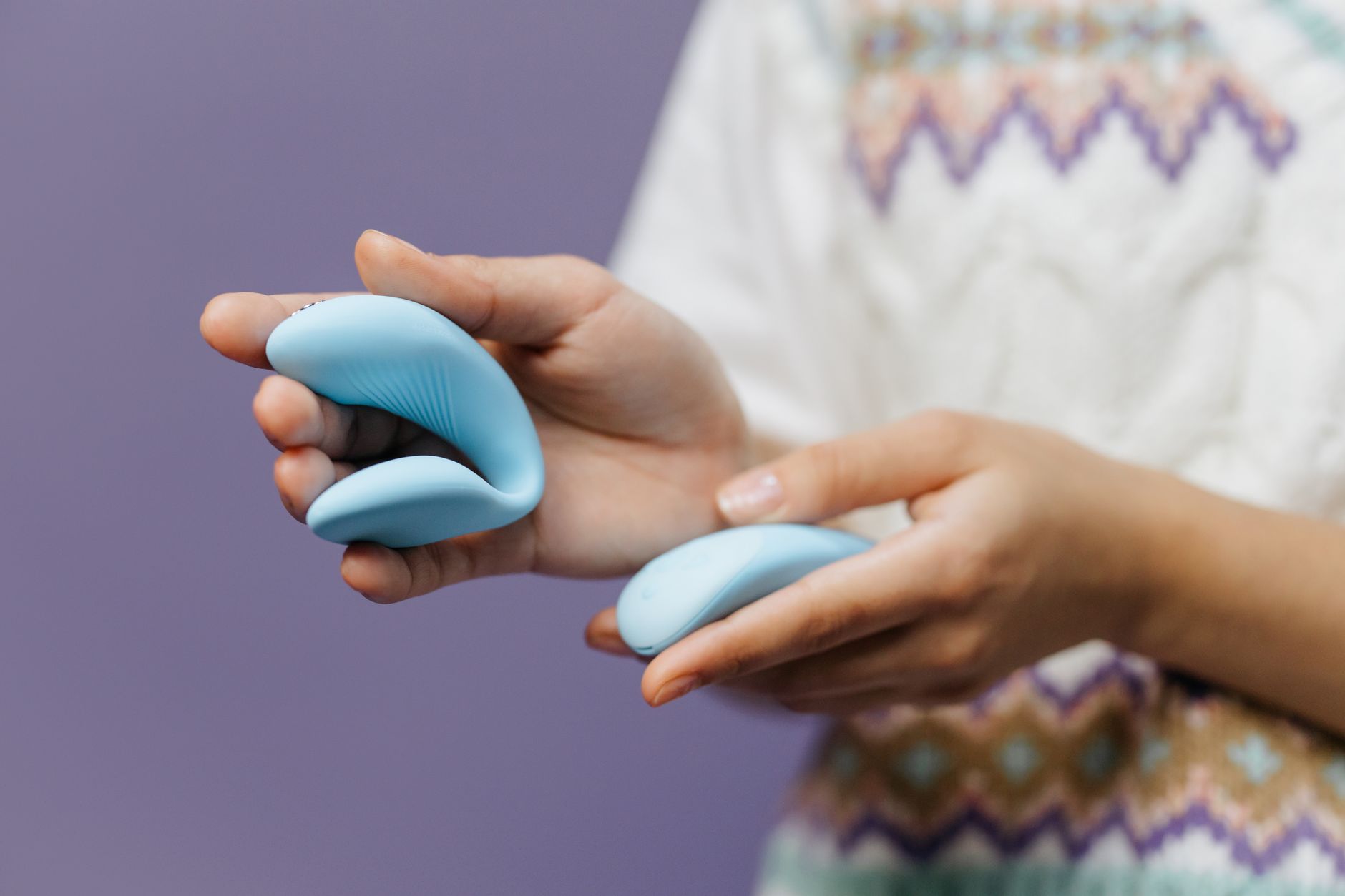
Photo by cottonbro studio on Pexels
When emotional distance runs deeper than you thought
Vibrators are a tool for reconnection, not a substitute for it. If the emotional distance stems from infidelity, unresolved conflict, or fundamental incompatibility, you need more than pleasure. You need a therapist.
But if the distance came from simple neglect. From life getting in the way. From both of you retreating when things got hard. Then shared exploration, including the use of lemon sexual toys, can genuinely reset something.
I've watched couples rebuild after years of barely touching. The common thread wasn't that the vibrator "fixed" anything. It was that they agreed to show up and pay attention again. The vibrator just made it easier to do that without the weight of all the unspoken things crushing the moment.
Managing the vulnerability
Introducing any new element into your sexual life requires vulnerability. Your partner might say no. They might feel awkward. They might try it and not like it. All of that is normal and survivable.
What matters is that you're asking. You're offering. You're showing that you want to rebuild. That act, separate from the outcome, communicates something important. It says: "I still want you. I still want us."
If your partner resists, don't push. Instead: "I get it. But I'd love to try again sometime. No pressure." Plant the seed. Let them sit with it. Many partners who initially resist come back weeks later, ready to try.
The conversation that happens after
Once you've spent time together exploring pleasure with something like a lemon clitoral vibrator, you're in a different emotional state. You've remembered that your bodies can work together. That you can be close without everything being heavy.
That's when you can gently talk about what went wrong. Not in a way that assigns blame. But in a way that says: "I want to stay connected to you. What would help that happen?"
Sometimes the answer is simple. More affection. More time together. More sex. Sometimes it's bigger. But you're having the conversation from a place of "we just felt good together," not "we're broken."
That shift in tone changes everything.
When to call in professional help
If you've tried reconnecting and the distance doesn't budge. If one partner is unwilling to engage at all. If there's infidelity, contempt, or ongoing conflict that lemon vibrators can't touch. Then you need a couples therapist who understands that sexual connection is part of emotional healing.
Therapy and pleasure tools work together, not against each other. A good therapist can help you both understand what created the distance and give you the communication skills to prevent it happening again. The lemon sucker, the vibration, the shared vulnerability. Those are the foundation, but they're not the whole structure.
FAQ: Reconnecting with vibrators after emotional distance
Can a vibrator actually fix a broken relationship?
No. But it can restart the conversation your body wants to have with another body. Pleasure is a language that sometimes works better than words when you're stuck. The vibrator isn't fixing the relationship. You are. The vibrator just creates the space where that's possible.
What if my partner thinks vibrators are cheating or unfaithful?
That fear usually means they don't understand what a vibrator is or does. Frame it clearly: "This is something we're doing together. It's not replacing you. It's adding to what we have." Invite them to hold it, control it, be part of the experience. When they see it as collaborative rather than threatening, the resistance usually softens.
How soon after an emotional rift is it okay to introduce a lemon vibrator?
Wait until you're both ready to be physically close again, even just touching and kissing. If you can't be in the same room without tension, the vibrator will feel awkward rather than connective. Give yourself a few conversations first. Let some trust start to rebuild.
Is it normal if my partner wants to try lemon vibrators but I'm hesitant?
Completely normal. You might be the one who's pulled away, or you might be grieving what's been lost. Talk about what makes you nervous. Usually it's: "Will this work? Will we go back to how things were?" The honest answer is: Maybe not exactly. But you can build something better if you both try.
What if we try it and it makes things worse?
It won't. You're bringing pleasure into a situation that's been defined by distance. Even if it feels awkward at first, that awkwardness is movement. You're doing something together. You're paying attention. That's the repair beginning, even if it doesn't feel smooth yet.
Should we talk about using lemon sexual toys beforehand or just suggest it in the moment?
A brief heads-up works best. "I've been thinking about us. I found something I think might be fun to try together. Would you be open to that?" Then let them have time to sit with it. Don't ambush. But also don't make it into a major negotiation. Keep it light and curious.
The real work starts after the pleasure
Lemon vibrators can reopen a door that emotional distance slammed shut. They can remind you both what physical connection feels like. They can lower your defenses just enough that real conversation becomes possible again.
But the sustained work. The showing up. The willingness to be vulnerable, to listen, to change. That's on both of you. A lemon clitoral vibrator is an invitation. You have to accept it. Both of you.
If you're stuck in distance that feels too deep to bridge alone, reach out to a couples therapist or counselor. Connection is learnable. And sometimes it just takes one person being willing to try.