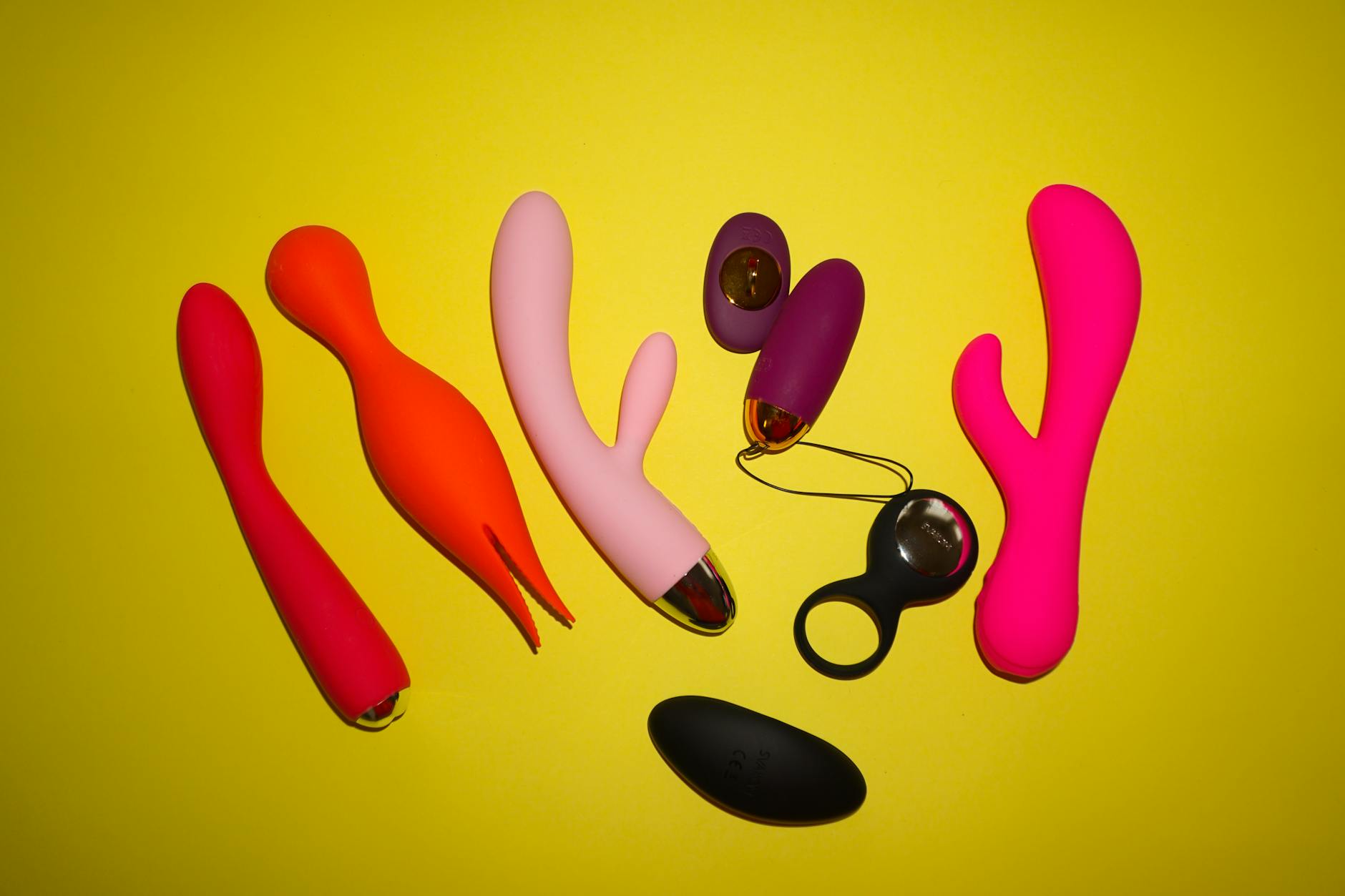
Here's the thing most people never notice
Your clitoris doesn't want the same thing every single day. The sensitivity shifts. So does your arousal baseline, your orgasm intensity, and how much direct touch feels good versus overwhelming. This isn't random. It's tied to your menstrual cycle, and understanding it transforms how you pick a lemon vibrator pattern.
Most people buy one device and use the same setting regardless of where they are in their cycle. That works sometimes. But it's leaving pleasure on the table.
Why sensitivity actually changes
Estrogen and progesterone cycle. When estrogen is high (usually around ovulation, days 10-14 of a typical cycle), blood flow to the clitoris increases. The tissue swells slightly. Nerve endings are more easily activated. You need less stimulation to reach arousal, and the sensation feels sharper, more direct.
When progesterone is dominant (usually the luteal phase, days 15-28), blood flow is lower. The clitoris is less engorged. The same vibration intensity that felt perfect during ovulation can feel harsh now. You need either gentler patterns, longer warm-up time, or different types of stimulation altogether.
During menstruation (days 1-5), sensitivity is mixed. Cramping can make direct clitoral stimulation uncomfortable. But some people find that clitoral stimulation actually reduces cramp pain through counterstimulation.
This isn't individual variation. This is biology. And it matters when you're choosing between a lemon vibrator's intensity settings.
The follicular phase: when direct stimulation feels best
Days 1-14 of your cycle (roughly), estrogen is climbing. By mid-cycle, it peaks around ovulation.
In this window, your clitoris can handle faster patterns and stronger vibration. This is when you might reach for patterns 5-8 on the Lem, or when a traditional vibrator with constant buzzing feels exactly right. Direct, consistent stimulation works well because the tissue is already engorged and responsive.
If you're using a lemon vibrator's suction patterns (which work differently than straight vibration), the follicular phase is when you can use medium pressure. The air-pulse sensation feels less intense than it will later in your cycle, so you have room to experiment.
Pro tip: this is also when arousal builds fastest. You might need less warm-up time. If you usually spend 15 minutes getting ready, you might only need 10 now.
The ovulatory phase: peak sensitivity and intensity
Days 10-14 or so, estrogen peaks. This is often the sweet spot for clitoral sensation.
Your clitoris is maximally engorged. Orgasms tend to be strongest. You can use the strongest Lem vibrator patterns without discomfort. This is when you might use the device for longer sessions, try new patterns you usually find too intense, or experiment with faster speeds.
The risk here: because sensation is so strong, overstimulation becomes possible. Some people find that using the Lem at full intensity for too long creates a numb feeling afterward. If that happens, back off to patterns 3-5 and take breaks between sessions.
During ovulation, communication with a partner matters. If they're used to one intensity level with you, they might be surprised by what you want now. "I'm more sensitive this week" is useful context.
The luteal phase: when gentler usually wins
Days 15-28 (roughly), progesterone dominates. Estrogen drops. Blood flow to the clitoris decreases.
Direct vibration can feel uncomfortable, even painful, now. This is when the suction-based design of the Lem actually shines. Suction doesn't feel like direct buzzing or pulsing. It creates a broader pressure and release, which many people find less harsh when sensitivity is higher.
Use patterns 1-3 on the Lem during this phase. Slower, gentler air-pulse rhythms work better than the faster sequences. Some people prefer patterns that build gradually (pattern 2, for instance) over ones that hit intensely from the start (pattern 7).
You'll probably want longer warm-up time too. Budget 20-30 minutes instead of 10-15. The arousal is still there. It just takes longer to build.
Water-based lubricant becomes even more important in this phase. Progesterone can thin vaginal tissue further, so your body might produce less lubrication. Adding it externally prevents the friction that makes the clitoris feel raw.
Menstruation: what actually feels good
Days 1-5, you're bleeding. Hormones are dropping (estrogen and progesterone both bottoming out before they climb again).
Direct clitoral stimulation varies wildly. Some people find it soothing. Others find it makes cramping worse. The only way to know is to pay attention to your own body.
If you use the Lem during your period, start with the gentlest patterns (1 or 2) and lowest pressure. Use it for shorter sessions. Some people find that 5-10 minutes of suction actually relieves pelvic tension and cramping through counterstimulation. Others need to skip it entirely for a few days.
There's no "right" way here. What matters is paying attention to what your body tells you.
Building your cycle-aware routine
If you want to optimize pleasure across your entire cycle, track it for two or three months first. You don't need an app (though they exist). A simple note in your phone is enough: which day of your cycle, how aroused you felt, which Lem pattern felt best, how long warm-up took, whether you needed lube.
After a few cycles, a pattern emerges. You'll notice that you always prefer patterns 1-2 on days 20-24, or that pattern 6 feels amazing only around day 12. That's the data you need to make real choices.
Once you know your pattern, you can be strategic. If you have a partner and you both enjoy partnered sex, knowing which days your clitoris is most receptive means you can suggest it then, when the experience is likely to be better for you.
If you're using the Lem solo, you can set expectations for yourself. On day 8, go ahead and try that intense pattern you've been thinking about. On day 22, stick with the gentler rhythms and don't expect the same intensity of orgasm.
Why cycle tracking matters for device choice
If you're choosing between different types of lemon clitoral vibrators, your cycle sensitivity actually matters more than you might think. Suction-based devices like the Lem work better for people who experience wide swings in clitoral sensitivity through their cycle, because you can adjust intensity by changing patterns rather than speed alone. Traditional vibrators with fixed intensity are harder to modulate.
This is one reason why understanding your cycle before you buy matters. If you have a high-sensitivity luteal phase, a lemon vibrator's adjustable pressure makes more sense than a standard vibrator.
When sensitivity changes mean something else
If your clitoral sensitivity used to vary predictably but suddenly doesn't, or if it's become persistently painful, that's worth mentioning to a doctor. Hormonal birth control, thyroid issues, and other health shifts can change how your clitoris responds.
Similarly, if one phase of your cycle has become significantly more painful or numb, that's medical information. Endometriosis, pelvic floor tension, and other conditions can show up first in changed sensation during sex. A pelvic floor physical therapist or gynecologist trained in sexual health can help sort it out.
Pleasure changes are normal. Pain that's new, or numbness that's worsening, usually isn't.
The bigger picture
Most of the cultural conversation around menstrual cycles focuses on suffering: cramps, mood, bloating. But the cycle also creates natural variation in pleasure and arousal. That's not a bug. It's information. Paying attention to it and adjusting your tools (like your choice of lemon vibrator pattern) is just another way of respecting what your body actually needs.
People also ask
Why does my clitoris feel numb during my period?
During menstruation, both estrogen and progesterone levels are at their lowest. Blood flow to the clitoris decreases, which can create a feeling of numbness or reduced sensation. Additionally, if you experience menstrual cramps, the body's focus on managing that discomfort can override the pleasurable signals from clitoral stimulation. This is temporary and normalizes as your cycle progresses and hormone levels climb again.
Can I use a lemon vibrator during my period?
Yes, but start gently. Some people find clitoral stimulation soothing during menstruation, especially if it helps ease cramping through counterstimulation. Others find direct touch irritating or painful. The key is to use the lowest intensity setting on your lemon vibrator, keep sessions short, and pay attention to whether it feels good or uncomfortable. There's no medical reason to avoid it, but your comfort is the only rule that matters.
Do I need different lemon adult toys for different cycle phases?
No. A single device like the Lem works across your entire cycle because it has adjustable patterns. Patterns 1-3 serve the luteal phase well. Patterns 5-8 work during the follicular and ovulatory phases. You don't need to buy multiple toys. You just need to use the same toy differently depending on where you are in your cycle.
Does hormonal birth control change how my clitoris responds?
Yes. Hormonal contraceptives suppress the natural rise and fall of estrogen and progesterone. This flattens the cycle-based sensitivity variation many people experience. Some people on hormonal birth control report lower clitoral sensitivity overall, while others report that sensitivity feels more stable and predictable across the month. If you notice a significant change after starting or switching birth control, that's worth discussing with your prescriber.
What if my cycle sensitivity doesn't follow the "normal" pattern?
Cycles vary. Some people have short cycles, long cycles, or irregular cycles. Some people using certain contraceptives don't cycle at all. The pattern described here is common but not universal. What matters is tracking your pattern, not comparing it to textbook descriptions. If you notice any sensitivity pattern that repeats, use it. If your sensitivity feels random, that's also valid information about your body.
Should I tell my partner about my cycle-based sensitivity shifts?
If you have a partner and you're having partnered sex, yes. It helps them understand why you might want different stimulation at different times of the month. It's not complicated. "My clitoris is more sensitive right now, so I need gentler touch" is information that makes the experience better for both of you. It removes the guesswork and creates space for real communication.